.webp)


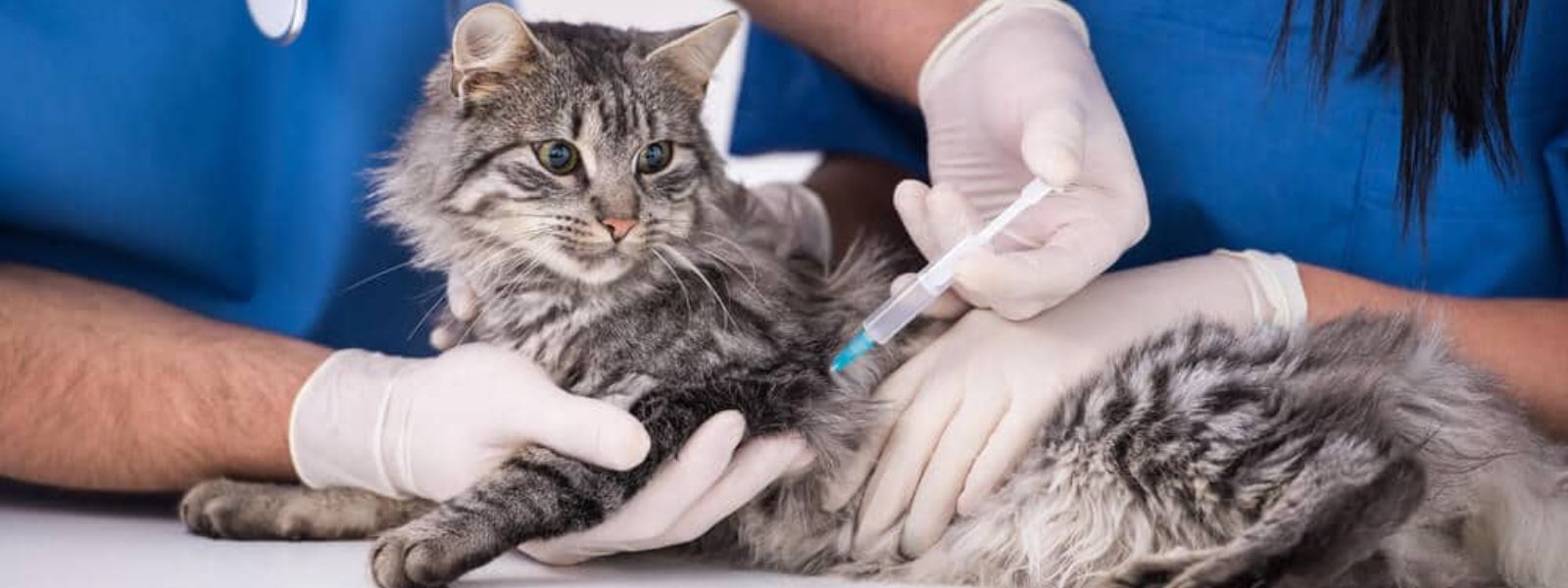
Rise in Cat Bites, Domestic Pet Infections Sparks Rabies Alert



.png )
COLOMBO (News 1st); Rabies is a deadly disease that requires immediate medical attention with no room for delay, Public Health Specialist Dr. Athula Liyanapathirana of the Epidemiology Unit of the Ministry of Health has warned.
Dr. Liyanapathirana said the national goal is to reduce rabies-related deaths to zero by the year 2030.
He stressed that once clinical symptoms appear, rabies is “100% fatal,” but timely action can completely prevent the disease. According to him, Sri Lanka recorded 14 human deaths due to rabies last year, with the majority resulting from dog bites.
He further emphasised the growing threat posed by domestic pets, particularly dogs and cats. Dr. Liyanapathirana noted a significant rise in cat bites, especially in Colombo and Gampaha districts, along with an increase in rabies infections among domestic cats.
He said that in many cases, infections are transmitted not only through bites but also through scratches or when saliva from an infected animal enters even a small skin wound or mucous membrane, such as the eyes, mouth, nose, or genital areas.
Last year, one death was also reported due to a cat bite, he said.
Dr. Liyanapathirana highlighted that most rabies deaths reported in the past year were linked not to stray dogs but to domestic dogs kept in homes. He urged the public to ensure that all domestic dogs, cats, and other mammals are vaccinated regularly.
He also outlined the steps to follow immediately after an animal bite, scratch, or exposure to saliva: wash the wound thoroughly with running water and soap for 15 minutes, apply 70% alcohol solution or povidone-iodine if available, and seek treatment at the nearest hospital without delay. He further stated that if a pet dog bites someone, the full legal responsibility falls on the owner.
Explaining the nature of the virus, Dr. Liyanapathirana said rabies travels along the nerves, not the bloodstream, and can infect any mammal, including dogs, cats, foxes, mongooses, cattle, and horses.
He said that while rodents such as house mice do not transmit the disease, rabies can spread through bites from larger rodents like bandicoots.
Health authorities continue to urge the public to remain vigilant and ensure timely vaccination of household pets to prevent further infections and fatalities.
Symptoms of rabies usually take 3 to 12 weeks to appear, but they can appear after a few days or not for several months or years.
Symptoms include:
numbness or tingling where you were bitten or scratched
seeing things that are not there (hallucinations)
feeling very anxious or energetic
difficulty swallowing or breathing
being unable to move (paralysis)
Once symptoms appear, rabies is almost always fatal.
Other Articles


-827720_550x300.jpg)








Featured News




-822734_550x300.jpg)
News 1st, MTV Channel (Pvt) Ltd, MBC Networks (Pvt) Ltd, 45/3, Braybrooke Street, Colombo-02.
T.P : +94 114 792 700, Fax : +94 114 792 733
T.P : +94 114 792 700, Fax : +94 114 792 733




 |  | .webp) |
|---|---|---|
 |  |  |
 |  |  |
 |
