.webp)


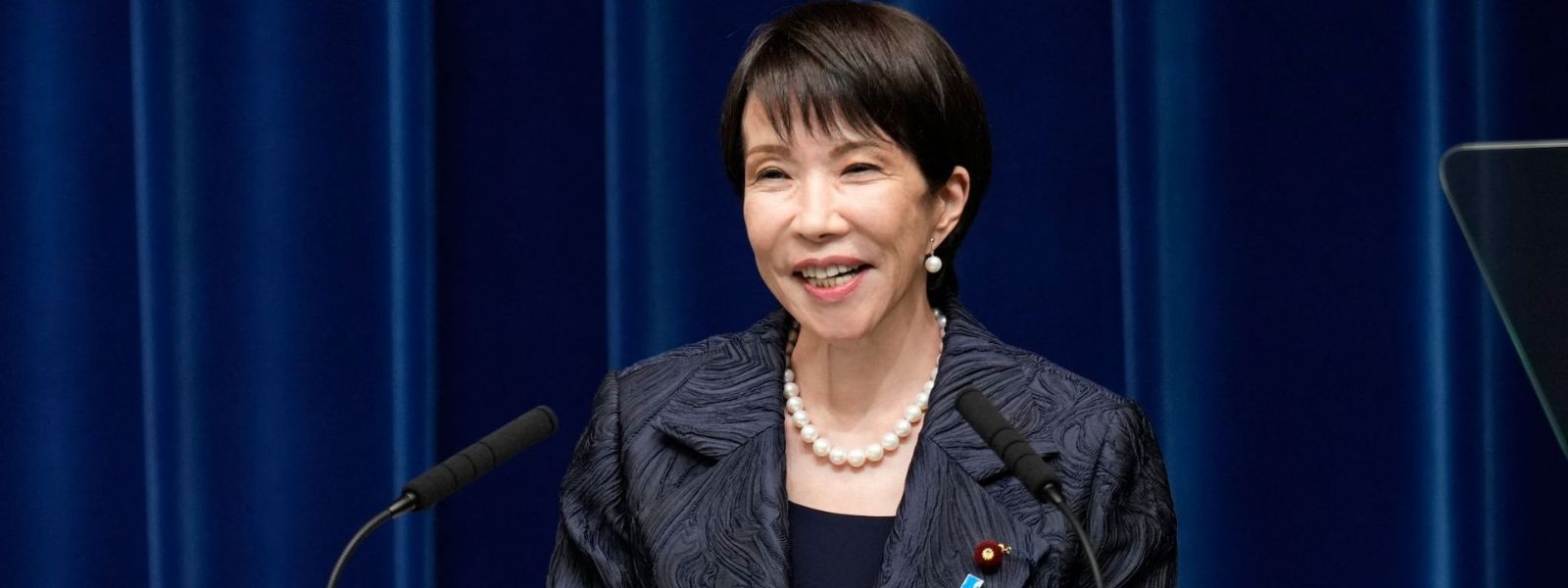
Japan's 'Iron Lady' Takaichi Forges Historic Election Win



.png )
Japanese Prime Minister Sanae Takaichi's coalition swept to a historic election win on Sunday, paving the way for promised tax cuts that have spooked financial markets and military spending aimed at countering China.
The conservative Takaichi, Japan's first female leader who says she is inspired by Britain's "Iron Lady" Margaret Thatcher, delivered 316 seats of the 465 in parliament's lower house for her Liberal Democratic Party, its best ever result.
With coalition partner, the Japan Innovation Party, known as Ishin, Takaichi controls 352 seats and a supermajority of two-thirds of seats, easing her legislative agenda as she can override the upper chamber, where she does not have a majority.
"This election involved major policy shifts — particularly a major shift in economic and fiscal policy, as well as strengthening security policy," Takaichi said in a television interview as the results rolled in.
"These are policies that have drawn a great deal of opposition ... If we have received the public's support, then we truly must tackle these issues with all our strength."
U.S President Donald Trump congratulated Takaichi on the result, wishing her "great success in passing your Conservative, Peace Through Strength agenda" in a social media post.
"Sanae's bold and wise decision to call for an election paid off big time," said Trump, who will host Takaichi at the White House next month.
Takaichi, 64, called the rare winter snap election to capitalise on her buoyant personal approval ratings since she was elevated to lead the long-ruling LDP late last year.
Voters have been drawn to her straight-talking, hardworking image, but her nationalistic leanings and emphasis on security have strained ties with Japan's powerful neighbour China, while her promises of tax cuts have rattled financial markets.
Residents trudged through snow to cast their ballots with record snowfall in some parts snarling traffic and requiring some polling stations to close early. It was only the third postwar election held in February, with elections typically called during milder months.
Other Articles




Featured News



News 1st, MTV Channel (Pvt) Ltd, MBC Networks (Pvt) Ltd, 45/3, Braybrooke Street, Colombo-02.
T.P : +94 114 792 700, Fax : +94 114 792 733
T.P : +94 114 792 700, Fax : +94 114 792 733




 |  | .webp) |
|---|---|---|
 |  |  |
 |  |  |
 |
