.webp)


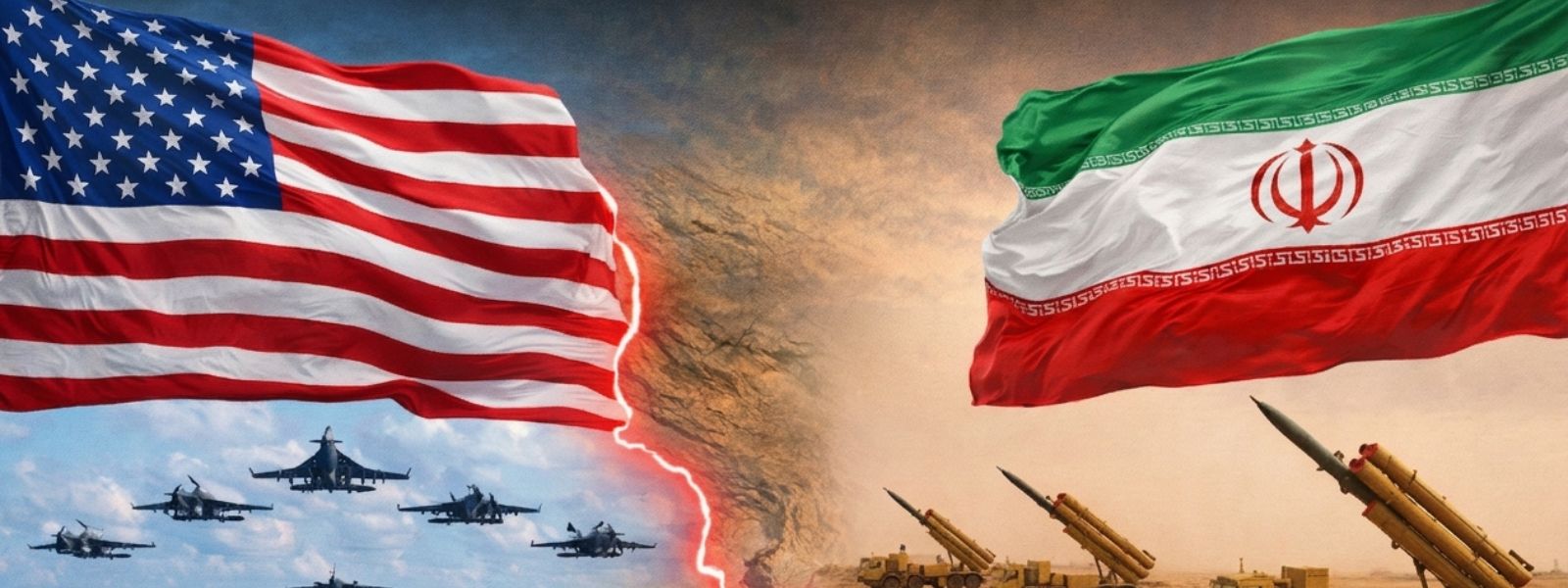
US and Iran conclude high-level talks in Switzerland, mediators say



.png )
(Reuters) - The first round of talks between high-ranking U.S. and Iranian officials in Switzerland ended Monday, mediators said, after a tense opening marked by Tehran's announcement it had again closed the Strait of Hormuz and U.S. President Donald Trump repeating his threats to resume attacks on Iran.
A joint statement from mediating nations Qatar and Pakistan said the U.S. and Iran agreed to a roadmap toward a final deal within 60 days. Technical talks will continue for the rest of the week in the Qatari-owned Swiss mountain resort of Buergenstock, according to the statement, which was released by the Qatari foreign ministry.
The parties agreed to a mechanism to end the fighting in Lebanon and opened a communications line to help ensure safe passages for commercial ships through the contested strait, the statement said.
U.S. Vice President JD Vance had opened talks with Iranian officials on Sunday under the terms of a memorandum of understanding reached last week to extend a tenuous ceasefire from April for at least another 60 days. The discussions continued until the early hours of Monday.
In a post on social media, Iranian Foreign Minister Abbas Araqchi said his country had secured waivers for oil and petrochemical exports, the release of some frozen assets and the launch of a reconstruction and development plan for Iran.
The White House had no immediate comment when asked if talks had wrapped for now.
Just before talks officially began on Sunday, Fox News reported that Trump said he told Iranian officials "you won't have a country" if they tried to close the strait again. Trump also reiterated an earlier threat that the U.S. would take over the waterway and possibly charge a toll of its own, Fox News said.
U.S. and Iranian sources provided separate accounts of the discussions in Switzerland.
Iran's semi-official Tasnim news agency, citing an informed source, said that after Trump's threats became public, the Iranian delegation refused to return to the room where talks were held, though messages were still being traded via Pakistani and Qatari mediators.
According to Tasnim's source, Iranians said that the start of negotiations on nuclear matters required the delivery of other parts of the MOU, including the release of frozen assets and U.S. waivers authorizing Iranian oil exports.
Other Articles


-844237_550x300.jpg)
-844231_550x300.jpg)
-722285-843876_850x460-844043_850x460-844117_850x460-844129_850x460-844225_550x300.jpg)


Featured News




News 1st, MTV Channel (Pvt) Ltd, MBC Networks (Pvt) Ltd, 45/3, Braybrooke Street, Colombo-02.
T.P : +94 114 792 700, Fax : +94 114 792 733
T.P : +94 114 792 700, Fax : +94 114 792 733




 |  | .webp) |
|---|---|---|
 |  |  |
 |  |  |
 |
