.webp)


IMF Deal Advances, But Fuel Pricing and Debt Progress Decide $700m Fate



.png )
COLOMBO (News 1st); The staff-level agreement reached between the International Monetary Fund and Sri Lankan authorities is now subject to IMF Executive Board approval, contingent on critical policy actions including the restoration of cost-recovery electricity and fuel pricing while protecting vulnerable groups, and the completion of a financing assurances review to confirm multilateral partners’ contributions and assess progress on debt restructuring.
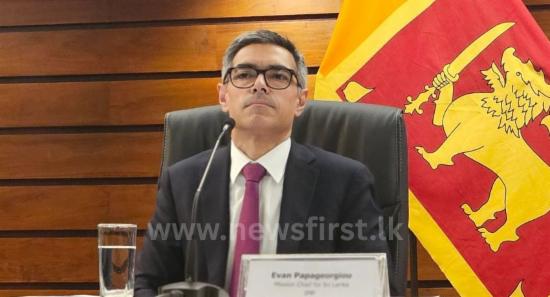
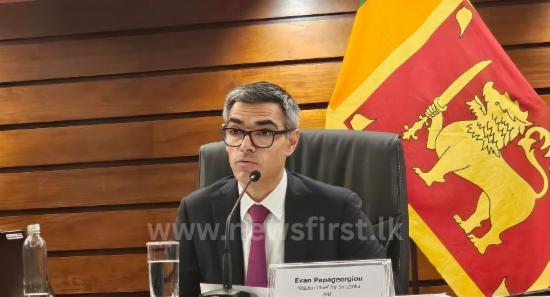
An IMF mission team led by Evan Papageorgiou visited Sri Lanka from March 26 to April 9, 2026, to review recent macroeconomic developments and assess progress in implementing economic and financial policies under the four-year Extended Fund Facility arrangement.
At the conclusion of the visit, the IMF confirmed agreement on the combined Fifth and Sixth Reviews of the program.
The program was originally approved by the IMF Executive Board on March 20, 2023, for a total financing envelope of SDR 2.3 billion, or about US$3 billion.
Once the Executive Board completes its review, Sri Lanka would gain access to SDR 508 million, approximately US$700 million, raising total IMF disbursements under the arrangement to SDR 1,778 million, or about US$2.4 billion.
The IMF noted that Sri Lanka’s reform agenda is producing measurable results.
Economic growth reached 5 percent year-on-year in 2025, while inflation rebounded into positive territory, reaching 2.2 percent year-on-year in March 2026.
Gross official reserves rose to US$7 billion by the end of March 2026. Fiscal performance in 2025 was described as strong, driven largely by revenue from taxes on motor vehicle imports.
Debt restructuring efforts are approaching completion, with the successful exchange of Sri Lankan Airlines’ debt and further progress in finalizing outstanding bilateral agreements.
Despite these gains, the IMF warned that Sri Lanka remains significantly exposed to external and domestic risks.
The ongoing conflict in the Middle East has driven up energy prices, disrupted a key air hub for tourism, and affected Sri Lankans working in the region. Authorities have mitigated disruptions to economic activity by ensuring sufficient fuel supplies for households and industries.
At the same time, the country faces increased infrastructure and spending demands following the impact of Cyclone Ditwah.
These pressures, combined with disaster risks, persistent global trade policy uncertainty, and geopolitical tensions, underscore the urgency of accelerating reforms to protect macroeconomic stability, strengthen resilience to shocks, and keep the recovery on track toward inclusive growth.
The IMF emphasized the importance of continuing to build fiscal space through strong revenue measures and disciplined spending. This includes sustained efforts to improve tax compliance, broaden the tax base, reduce revenue leakages, and strengthen public financial management.
Restoring and maintaining cost-recovery fuel and electricity pricing was highlighted as essential, alongside targeted support for the most vulnerable, while continued vigilance is required to contain fiscal risks and preserve discipline.
As Sri Lanka moves toward rebuilding on Building Back Better, the IMF stressed that projects should be carefully prioritized and spending carried out transparently and in line with the Public Financial Management Act. Any fiscal support in response to external shocks should be well-targeted, carefully costed, and timebound. Protecting poor and vulnerable groups, who are disproportionately affected,remains a priority, with a call for stronger social safety nets through improved targeting, coverage, adequacy, and shock responsiveness.
On monetary and financial sector policies, the IMF underscored the need for data-dependent and agile monetary policy to safeguard price stability in the face of shocks. Central bank independence should continue to be upheld, including the prohibition of monetary financing of the budget. Rebuilding foreign reserves while allowing exchange rate flexibility was described as necessary amid global uncertainty. Addressing non-performing loans, promoting sound credit growth, and tackling vulnerabilities in some small licensed finance companies were identified as key steps to safeguarding financial stability.
The IMF welcomed the publication of the government’s 2026 action plan on governance reforms, noting that effective implementation would advance the anti-corruption agenda and support growth.
Maintaining the independence of the Commission to Investigate Allegations of Bribery or Corruption, ensuring the reliability of the beneficial ownership registry, and strengthening fiscal governance through sound legislation on public-private partnerships, state-owned enterprises, public procurement, and public asset management were highlighted as priorities. Sustained reforms in trade liberalization, digitalization, business regulation, and labor legislation were identified as essential to unlocking durable growth for all Sri Lankans.
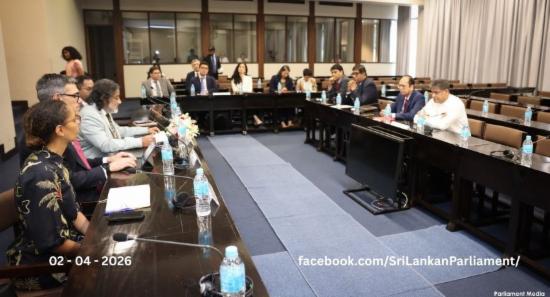
During the mission, the IMF team met with President and Finance Minister Anura Kumara Dissanayake, senior Cabinet ministers, central bank leadership, key presidential advisors, and other government officials. Engagements were also held with parliamentarians, private sector representatives, civil society organizations, and development partners.
The IMF thanked the authorities for their close cooperation, including during a visit to Galle in the Southern Province, and reaffirmed its commitment to supporting Sri Lanka at a time of heightened global and domestic uncertainty.
Other Articles




Featured News


News 1st, MTV Channel (Pvt) Ltd, MBC Networks (Pvt) Ltd, 45/3, Braybrooke Street, Colombo-02.
T.P : +94 114 792 700, Fax : +94 114 792 733
T.P : +94 114 792 700, Fax : +94 114 792 733




 |  | .webp) |
|---|---|---|
 |  |  |
 |  |  |
 |
