.webp)



IMF Calls for Tax Reforms, Stable Inflation Target and Anti-Corruption Safeguards



.png )
COLOMBO (News 1st); The International Monetary Fund (IMF) has commended Sri Lanka’s economic resilience and confirmed that productive discussions were held with Sri Lankan authorities on the Seventh Review of the country’s Extended Fund Facility (EFF) programme and the 2026 Article IV Consultation, with talks set to continue toward reaching a staff-level agreement in the near term.
In a statement issued at the conclusion of a mission to Sri Lanka led by Evan Papageorgiou, the IMF said the country’s economy has remained resilient despite successive shocks, with economic activity expanding by 4.2 percent in the second quarter of 2026, marking eleven consecutive quarters of strong growth. The Fund noted that gross official reserves had risen to US$6.9 billion by the end of August 2026, while banks remained well-capitalized and profitable. It also highlighted strong fiscal performance during the first half of the year and said debt restructuring was largely complete.
Despite the positive performance, the IMF warned that Sri Lanka continues to face downside risks linked to uncertainty surrounding the duration and intensity of the conflict in the Middle East, global trade policy developments and the potential impact of El Niño-related weather conditions.
The IMF emphasized that safeguarding macroeconomic stability in a shock-prone environment will require continued commitment to prudent policies and reforms. It stressed the importance of developing and implementing a strong medium-term revenue strategy, broadening the tax base, rationalizing tax exemptions and incentives, and strengthening revenue administration to improve tax compliance and sustain government revenue.
The Fund also underscored the need to maintain energy cost-recovery pricing to reduce fiscal risks stemming from state-owned enterprises and called for measures to address bottlenecks affecting capital expenditure projects, including recovery and reconstruction efforts related to Cyclone Ditwah.
On monetary policy, the IMF said authorities should remain prepared to address inflationary pressures and maintain price stability. It recommended retaining Sri Lanka’s current 5 percent inflation target and accountability band, stating that the existing framework provides necessary flexibility amid volatility in food and energy prices.
The IMF further stressed the importance of preserving the integrity of Sri Lanka’s anti-corruption legislative framework, warning that certain clauses contained in recently proposed amendments could weaken transparency and accountability.
According to the Fund, the next phase of Sri Lanka’s recovery must focus on transformation through sustained structural reforms aimed at improving the business environment, attracting investment, liberalizing trade, modernizing business and labour regulations, expanding access to finance and advancing digitalization.
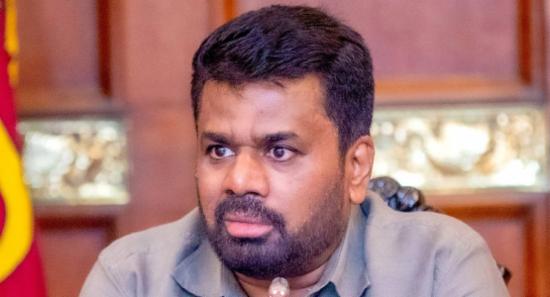
The mission held discussions with President and Finance Minister Anura Kumara Dissanayake, Prime Minister Dr. Harini Amarasuriya, Labour Minister and Deputy Finance Minister Prof. Anil Jayantha Fernando, Central Bank Governor Dr. P. Nandalal Weerasinghe, Treasury Secretary Dr. Harshana Suriyapperuma, Senior Economic Advisor to the President Duminda Hulangamuwa, Chief Advisor on Digital Economy Dr. Hans Wijayasuriya, Northern Province Governor Nagalingam Vethanayahan, and other senior government officials.
Reaffirming its commitment to Sri Lanka, the IMF said discussions are continuing with the objective of reaching a staff-level agreement that would pave the way for the timely completion of the Seventh Review of the EFF programme.
Other Articles



-856279_550x300.jpg)


.png)


Featured News




News 1st, MTV Channel (Pvt) Ltd, MBC Networks (Pvt) Ltd, 45/3, Braybrooke Street, Colombo-02.
T.P : +94 114 792 700, Fax : +94 114 792 733
T.P : +94 114 792 700, Fax : +94 114 792 733




 |  | .webp) |
|---|---|---|
 |  |  |
 |  |  |
 |
