.webp)


Will Sri Lanka Need Another IMF Program? Here's What the IMF Says



.png )
COLOMBO (News 1st); As Sri Lanka moves closer to the conclusion of its current IMF-backed economic reform program, the International Monetary Fund says discussions are already turning to what comes next, while emphasizing that any decision on a future arrangement must ultimately come from the Sri Lankan Government.
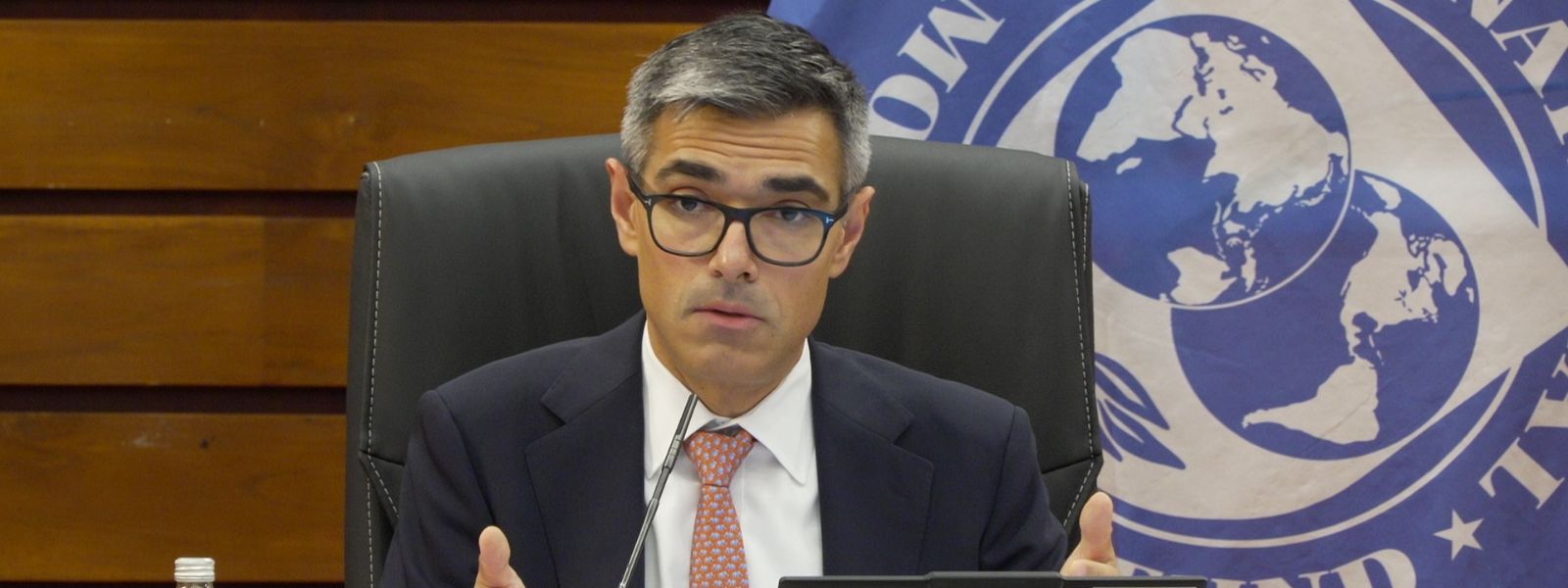
Speaking on the possibility of a new IMF program after the current Extended Fund Facility (EFF) concludes, IMF Mission Chief for Sri Lanka, Evan Papageorgiou, said the existing program still has two reviews remaining, including the ongoing review and one final review before the program expires in March 2027.
Papageorgiou stressed that significant work remains under the current arrangement, with discussions continuing on a range of economic and policy issues before the completion of the programme.
Addressing speculation about a successor programme, he emphasized that the decision on whether Sri Lanka requires a new IMF arrangement is not one for the IMF alone to make. Instead, he said such a request must originate from the Government and be guided by the country's own economic priorities and objectives.
According to Papageorgiou, modern IMF programmes are designed to support the goals of national authorities rather than impose a fixed set of conditions disconnected from a country's development agenda. He explained that programme targets, reforms and policy measures are intended to align with what governments are attempting to achieve economically.
As a result, he said the question of whether Sri Lanka will require another IMF programme depends largely on what the authorities hope to accomplish after the current arrangement ends and how they view continued collaboration with the IMF and other development partners.
Papageorgiou noted that IMF support extends well beyond formal lending programmes. Even without a new programme, Sri Lanka can continue to benefit from regular economic surveillance, policy consultations, technical assistance, capacity development initiatives, Financial Sector Assessment Programs (FSAPs), and other forms of engagement aimed at strengthening economic management and financial stability.
He explained that these mechanisms allow the IMF to assist countries in achieving economic goals, improving institutional capacity and addressing emerging challenges, regardless of whether a formal financing programme is in place.
The IMF Mission Chief said there are many ways in which the Fund can continue supporting Sri Lanka's economic development, but reiterated that any future programme must fit the objectives of the Government and the needs of the country.
With the current EFF programme set to run until March 2027 and two reviews still to be completed, Papageorgiou's remarks suggest that discussions about Sri Lanka's post-programme future are beginning to take shape, even as authorities remain focused on completing the reforms and policy commitments under the existing IMF arrangement.
Other Articles
-856323_550x300.jpg)



-856279_550x300.jpg)


.png)


Featured News




News 1st, MTV Channel (Pvt) Ltd, MBC Networks (Pvt) Ltd, 45/3, Braybrooke Street, Colombo-02.
T.P : +94 114 792 700, Fax : +94 114 792 733
T.P : +94 114 792 700, Fax : +94 114 792 733




 |  | .webp) |
|---|---|---|
 |  |  |
 |  |  |
 |
