.webp)


Panama Canal to Limit Shipping Ahead of Extreme Weather During El Niño



.png )
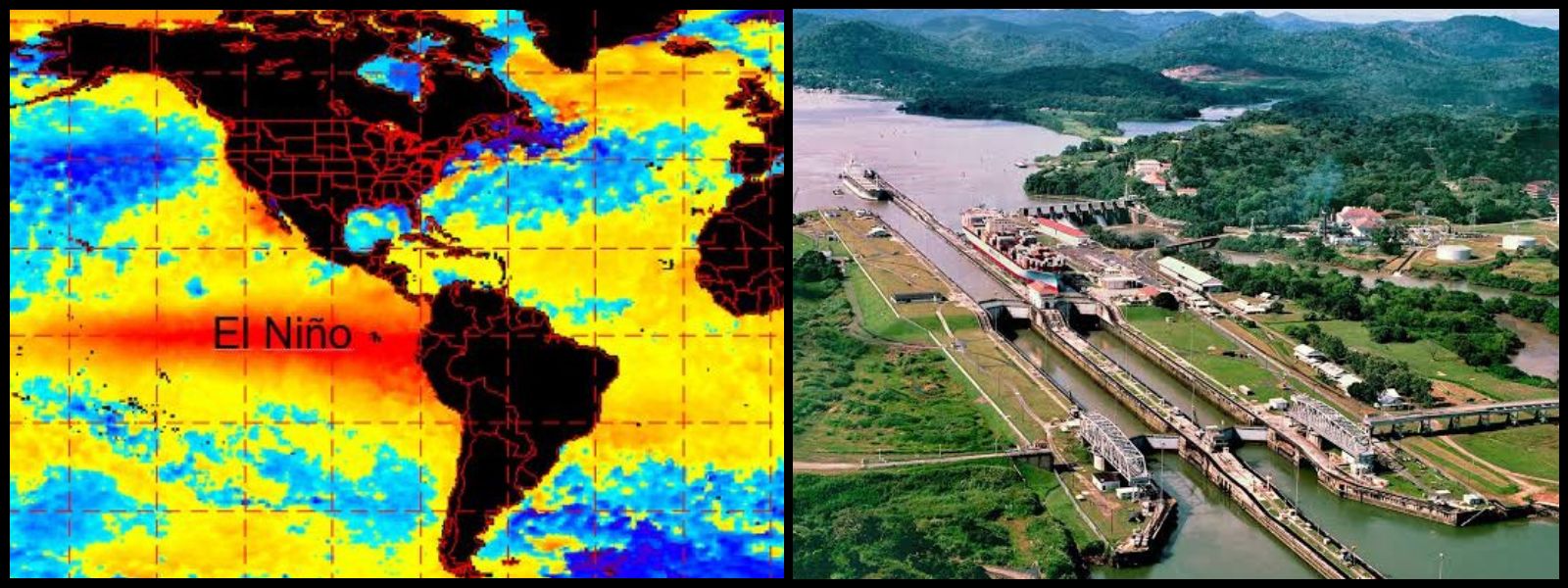
The Panama Canal is expected to limit traffic starting in early September, as it prepares for lower water levels due to the El Nino weather phenomenon.
The Panama Canal Authority, the body that oversees the waterway, announced that daily transit caps would be set to address concerns about the drier weather conditions ahead.
From September 3, the number of vessels allowed through the canal each day will be reduced due to a lack of rain, the Panama Canal Authority added.
From 36 ships currently, the number will be lowered to 34, under the new measures.
A further reduction will start on September 15, limiting the ships to 32.
Central America is in the throes of a severe drought driven by El Nino, a weather pattern that warms surface temperatures in the central and eastern equatorial Pacific Ocean, triggering worldwide changes in winds, atmospheric pressure and rainfall.
The canal, which handles about five percent of global maritime trade, usually has capacity to accommodate about 40 vessels per day. Since June, it has seen a daily average of 35 transits.
Panama Canal authorities have previously imposed vessel limits in order to conserve water.
The canal relies on a lock system that lifts and lowers vessels as they travel from the Pacific Ocean to the Caribbean Sea, and vice versa.
But the canal is fed, in part, by freshwater from nearby lakes and reservoirs, most notably Gatun Lake.
Panamanians rely on that lake as well to supply drinking water to nearby cities, including the capital Panama City, putting additional strain on the waterway during times of drought.
Any significant decrease in travel through the canal is likely to translate into slower international shipping for industries that rely on the waterway. That, in turn, could increase costs.
Source: Al Jazeera | France 24
Other Articles
-858591_550x300.jpg)





.png)


Featured News




News 1st, MTV Channel (Pvt) Ltd, MBC Networks (Pvt) Ltd, 45/3, Braybrooke Street, Colombo-02.
T.P : +94 114 792 700, Fax : +94 114 792 733
T.P : +94 114 792 700, Fax : +94 114 792 733




 |  | .webp) |
|---|---|---|
 |  |  |
 |  |  |
 |
