


2027 Budget Is About Changing Sri Lanka, Says Deputy Minister



.png )
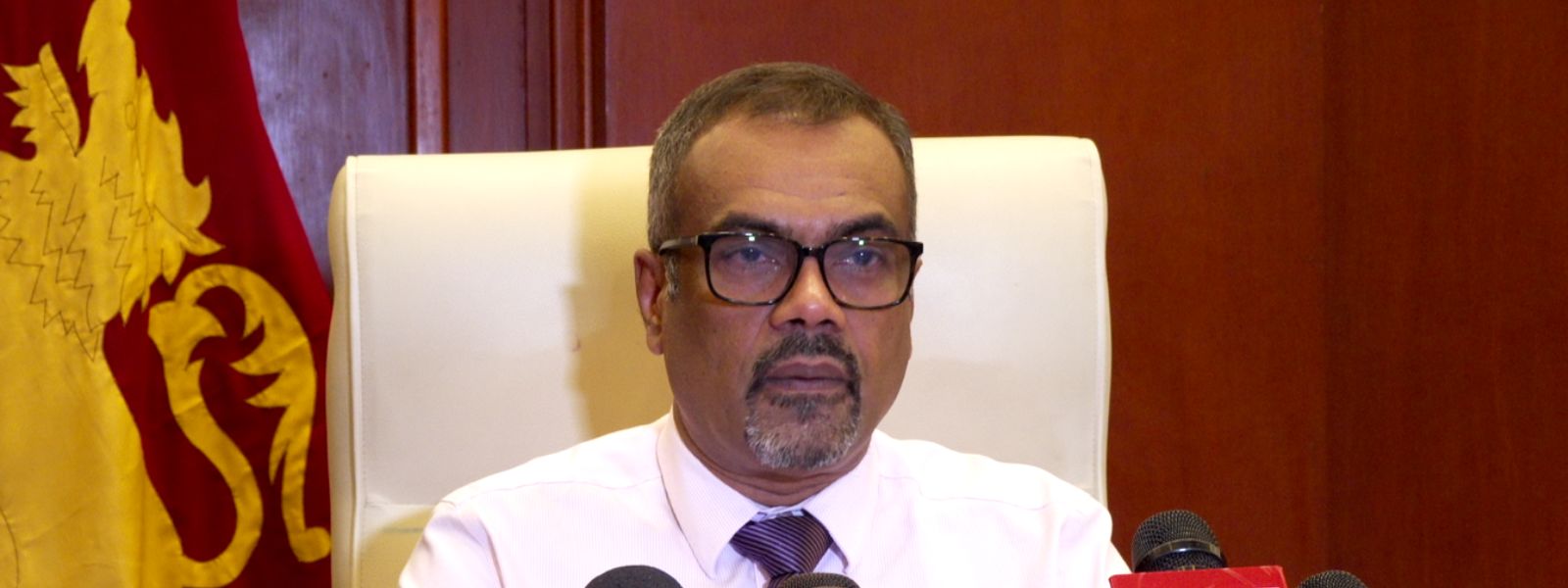
COLOMBO (News 1st); Don't judge the 2027 Budget by which ministry got the most money or how much was allocated to a particular sector.
That was the key message from Deputy Finance Minister Anil Jayantha Fernando, who says the government's third budget is designed to move Sri Lanka beyond economic recovery and into a new phase of growth and transformation.
According to Fernando, the first two budgets of the current administration were focused on one urgent priority: stabilising an economy that had emerged from one of the most difficult periods in the country's history.
Now, he says, the government's attention is shifting from economic stabilisation to economic transformation.
In practical terms, that means the 2027 Budget is expected to focus on attracting quality investments, creating new jobs, expanding production, increasing exports and opening up more opportunities for people to participate in economic activity.
Rather than concentrating solely on welfare payments, tax concessions or ministry allocations, Fernando said the public should look at the broader vision being presented through the budget.
The government's objective, he noted, is to create conditions where economic growth leads to better living standards and improved opportunities for ordinary citizens.
"For this transformation, we need quality investments, we need to expand the economic engagement, we need to create more and more jobs, we need to expand our production, especially targeting for the export markets, we need to facilitate the devices through which the people can engage in these economic activities, and how best these benefits of the economic engagement would be passed on to the people," Fernando said.
He stressed that financial discipline would remain a central feature of the government's approach, adding that efforts to reduce waste and corruption in public spending would continue in 2027.
The Deputy Minister also indicated that while welfare benefits, government assistance programmes and potential tax concessions may form part of the budget, they should not be viewed as the defining features of it.
Instead, he said, the budget should be understood as a roadmap outlining how the government intends to gradually transform the economy over the coming years through targeted investments and carefully prioritised spending.
Describing the proposal as a "budget of hope," Fernando said it aims to build on the economic stability achieved in recent years and create the foundation for sustainable growth, employment and higher incomes.
In essence, the government's message is clear: the first phase was about stabilising the economy. The next phase, they say, is about transforming it.
Other Articles
-861972_550x300.jpg)






Featured News




News 1st, MTV Channel (Pvt) Ltd, MBC Networks (Pvt) Ltd, 45/3, Braybrooke Street, Colombo-02.
T.P : +94 114 792 700, Fax : +94 114 792 733
T.P : +94 114 792 700, Fax : +94 114 792 733




 |  |  |
|---|---|---|
 |  |  |
 |  |  |
 |
