.webp)


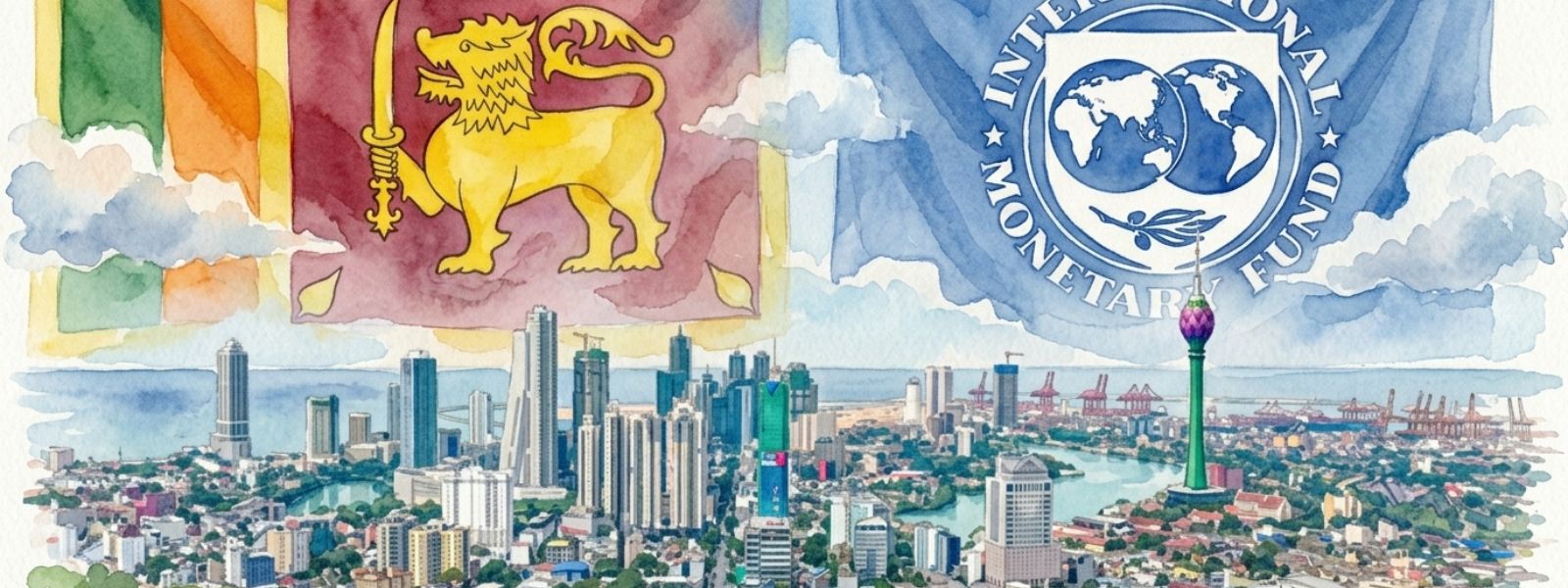
IMF Urges Sri Lanka to Stay the Reform Course



.png )
COLOMBO (News 1st); Sri Lanka’s economy has made significant strides since its 2022 crisis, emerging stronger and more resilient under an ambitious reform program supported by the International Monetary Fund (IMF), according to Evan Papageorgiou, the IMF’s Mission Chief for Sri Lanka.
Papageorgiou emphasized that sustained policy implementation has played a decisive role in stabilizing the economy and restoring investor confidence. He noted that Sri Lanka is now in a “much stronger position” compared to the height of its economic collapse in 2022, when the Extended Fund Facility (EFF) program was first introduced.
“The economy has shown resilience, supported by strong policy implementation,” he said, adding that reforms have helped rebuild macroeconomic buffers, create policy space to respond to shocks, and strengthen the overall economic framework.
Authorities, he said, have demonstrated a willingness to act decisively when required, a factor that has been critical in navigating both recent and past crises.
However, despite these gains, Papageorgiou warned that fresh external pressures are weighing heavily on Sri Lanka’s economic outlook. The ongoing conflict in the Middle East and the aftermath of Cyclone Ditwah have tilted risks “firmly to the downside,” casting uncertainty over growth prospects.
The IMF now projects Sri Lanka’s economic growth to moderate to around 3% in real terms in 2026, reflecting the impact of these shocks.
Rising global oil prices are expected to further strain the economy, potentially fueling inflation and weakening the country’s external position. The tourism sector, a key driver of foreign exchange earnings, could also face setbacks amid geopolitical instability.
In response, Sri Lankan authorities have moved to provide targeted support to cushion the blow. Papageorgiou said a temporary fiscal easing strategy for 2026 is aimed at addressing the immediate economic fallout, including relief measures and reconstruction spending following the cyclone.
While describing these interventions as appropriate, he stressed the importance of returning to fiscal discipline over the medium term. A key target will be achieving a primary balance of 2.3% of GDP starting in 2027, a commitment that authorities have already pledged to meet.
Beyond short-term measures, the IMF stressed on the need for continued and deepened reforms to sustain recovery and safeguard long-term stability. Papageorgiou highlighted revenue mobilization as a critical priority, alongside the completion of public financial management reforms, improvements in public investment efficiency, and restructuring of the electricity sector to reduce fiscal risks.
Monetary policy, he added, must remain focused on maintaining price stability, while greater exchange rate flexibility and the gradual removal of balance-of-payments measures will be essential to rebuild external buffers and strengthen resilience.
Looking further ahead, the IMF stressed the importance of structural reforms and infrastructure development to unlock Sri Lanka’s growth potential. Enhancing the investment climate and improving public infrastructure will be key to driving long-term economic expansion and creating a more sustainable growth trajectory.
Papageorgiou commended Sri Lankan authorities for maintaining their reform momentum despite significant domestic and global challenges. He reaffirmed the IMF’s continued support for the country’s recovery efforts, noting that the program is ultimately designed to protect vulnerable populations while laying the foundation for a more resilient and sustainable economy.
Other Articles

-855570_550x300.jpg)
-855564_550x300.jpg)




.png)


Featured News




News 1st, MTV Channel (Pvt) Ltd, MBC Networks (Pvt) Ltd, 45/3, Braybrooke Street, Colombo-02.
T.P : +94 114 792 700, Fax : +94 114 792 733
T.P : +94 114 792 700, Fax : +94 114 792 733




 |  | .webp) |
|---|---|---|
 |  |  |
 |  |  |
 |
