.webp)


Trump Administration Underestimated Iran War’s Impact



.png )
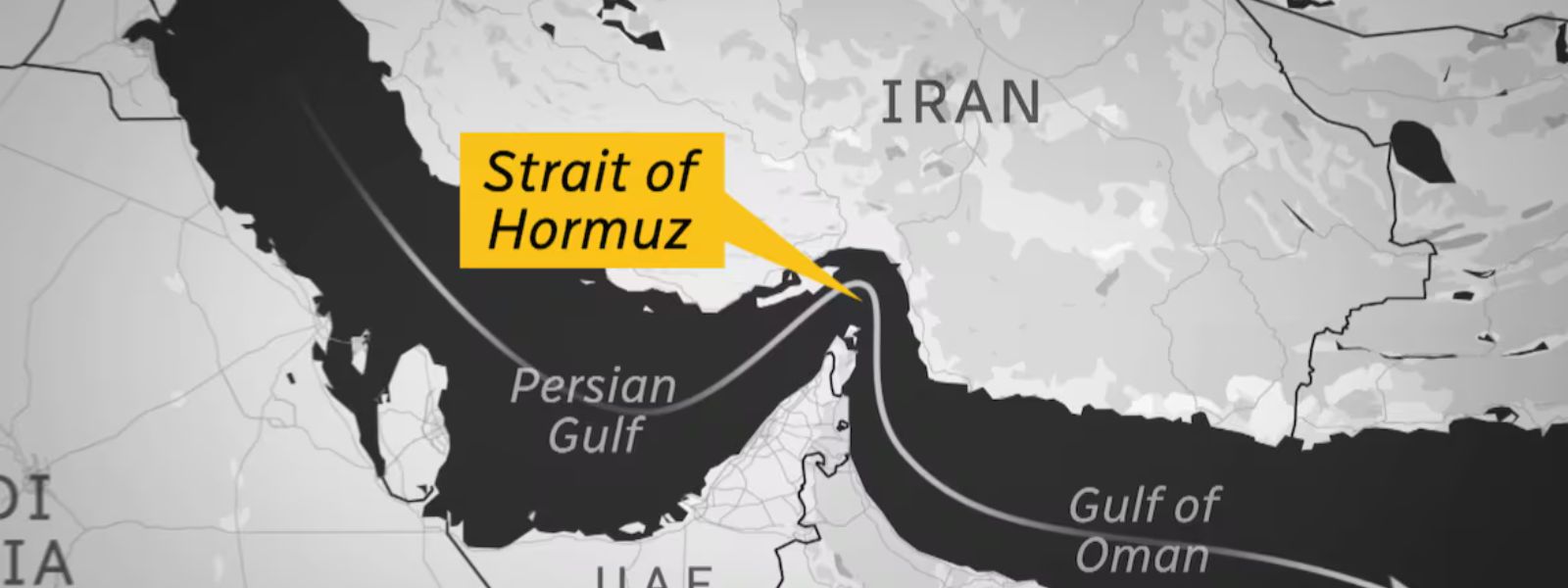
(CNN) The Pentagon and National Security Council significantly underestimated Iran’s willingness to close the Strait of Hormuz in response to US military strikes while planning the ongoing operation, according to multiple sources familiar with the matter.
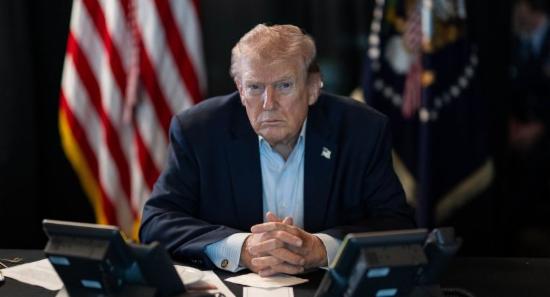
President Donald Trump’s national security team failed to fully account for the potential consequences of what some officials have described as a worst-case scenario now facing the administration, the sources said.
While key officials from the Departments of Energy and Treasury were present for some of the official planning meetings about the operation before it started, sources said, the agency analysis and forecasts that would be integral elements of the decision-making process in past administrations were secondary considerations.
Treasury Secretary Scott Bessent and Energy Secretary Chris Wright have been key players throughout the planning and execution stages of the conflict, the sources acknowledged. But Trump’s preference of leaning on a tight circle of close advisers in his national security decision making had the effect of sidelining interagency debate over the potential economic fallout if Iran were to respond to US-Israeli strikes by closing the strait.
And now it may be weeks before the administration’s efforts to alleviate the intensifying economic fallout take hold, officials said Thursday, including high-risk naval escorts of oil tankers through the strait that the Pentagon believes are currently too dangerous to conduct. The president, meanwhile, has continued to downplay the tumult in energy markets.
The reality in the strait has left diplomatic counterparts, former US economic and energy officials and industry executives who spoke with CNN in a state of confusion and disbelief.
“Planning around preventing this exact scenario — impossible as it has long seemed — has been a bedrock principle of US national security policy for decades,” a former US official who served in Republican and Democratic administrations said. “I’m dumbfounded.”
Shipping industry executives have made regular requests to the US Navy for military escorts, all of which have been rebuffed. In regular briefings for industry participants in the region, US military officials have repeatedly made clear they have not received orders to begin any escort operation and the risks to US assets remained extremely high, according to two executives with knowledge of the matter.
Bessent told Sky News’ Wilfred Frost on Thursday that those escorts would begin “as soon as it is militarily possible.”
“That was always in our planning, that there’s a chance that US Navy, or perhaps an international coalition, will be escorting oil tankers through,” he said.
But the path to this point, sources said, appears to mark the complex convergence of geopolitical assumptions, energy market forecasts and cross-cutting strategic priorities.
Top Trump officials acknowledged to lawmakers during recent classified briefings that they did not plan for the possibility of Iran closing the strait in response to strikes, according to three sources familiar with the closed-door session.
The reason, multiple sources said, was administration officials believed closing the strait would hurt Iran more than the US — a view that was bolstered by Iran’s empty threats to act in the strait after US strikes on Iranian nuclear facilities last summer.
The White House touted the administration’s planning in a statement on Thursday.
“Through a detailed planning process, the entire administration is and was prepared for any potential action taken by the terrorist Iranian regime,” spokeswoman Anna Kelly said, while touting the US military’s success.
“President Trump has been clear that any disruptions to energy are temporary and will result in a massive benefit to our country and the global economy in the long-term,” she added.
Multiple current and former US officials told CNN that plans for any military action against Iran would account for the possibility of Iran closing the waterway. The US military has long maintained and updated plans to address Iranian military action in the critical corridor.
But at a moment where global oil and LNG supplies were plentiful, US oil production sat at record highs and Trump officials were basking in a pliant Venezuelan government and the potential for rapid expansion of new production from a former foe, the global scale of the downside risks was not viewed as a major consideration.
Even in weighing the potential for disruption in the strait, the administration has been far more focused on its overwhelmingly positive — if still aspirational — view of how markets would respond to eliminating the threat of Iranian disruptions entirely.
Other Articles



-830659_550x300.jpg)


Featured News




News 1st, MTV Channel (Pvt) Ltd, MBC Networks (Pvt) Ltd, 45/3, Braybrooke Street, Colombo-02.
T.P : +94 114 792 700, Fax : +94 114 792 733
T.P : +94 114 792 700, Fax : +94 114 792 733




 |  | .webp) |
|---|---|---|
 |  |  |
 |  |  |
 |
