.webp)


Sri Lanka’s Economic Crisis Could Have Been Avoided if Reforms Began a Year Earlier



.png )
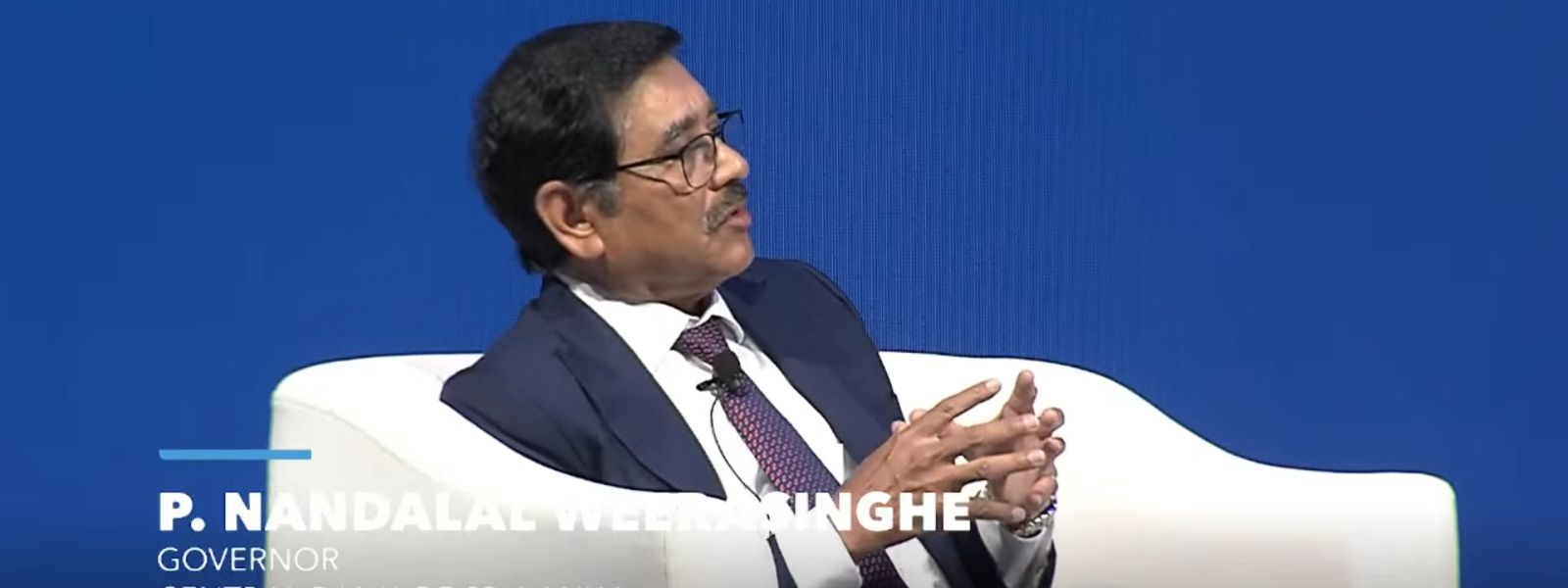
COLOMBO (News 1st); Sri Lanka’s Central Bank Governor Dr. Nandalal Weerasinghe says the country’s economic collapse could have been entirely avoided if the necessary reforms had been implemented just one year earlier, warning that political denial and short‑term patchwork decisions allowed the crisis to deepen.
In a candid assessment of the lessons emerging from Sri Lanka’s financial turmoil, Dr. Weerasinghe said the country’s leadership failed to recognise and address the root causes of long‑standing macroeconomic imbalances.
“This reform program, if we did that one year ago, we probably would not see this kind of crisis in Sri Lanka. No one would be talking about this kind of crisis if we had this implemented one year ago,” he said.
According to the Governor, the previous political administration dismissed early warning signs and opted for short‑term fixes rather than confronting structural weaknesses.
“Unfortunately, that political administration did not see that as an issue and tried to patch up with short‑term issues without trying to address the root cause of the legacy overall macro imbalances,” he said.
Dr. Weerasinghe stressed that the key lesson for any country in Sri Lanka’s position is the importance of early recognition and proactive action.
“Identify the root causes of all these issues and address proactively without denial and without trying to patch up and cover up. That was the lesson that we learned.”
He added that meaningful reform requires not only long‑term planning but also public support, warning that without both, implementation will fail.
“To prevent that kind of crisis going forward is to recognise the issue and address the long‑term root‑cause issues without focusing only on short‑term fixes, and to have the people with you for successful implementation. Without that, it won’t be successful.”
Dr. Weerasinghe said this was the story of “how Sri Lanka rose fast” but also how it fell fast due to avoidable delays.
Other Articles
-829826_550x300.jpg)






Featured News




News 1st, MTV Channel (Pvt) Ltd, MBC Networks (Pvt) Ltd, 45/3, Braybrooke Street, Colombo-02.
T.P : +94 114 792 700, Fax : +94 114 792 733
T.P : +94 114 792 700, Fax : +94 114 792 733




 |  | .webp) |
|---|---|---|
 |  |  |
 |  |  |
 |
