.webp)


UN Appeals For $35 Mn to Help Sri Lanka Rebuild After Cyclone Ditwah



.png )
COLOMBO (News 1st); The United Nations and humanitarian partners have launched a Humanitarian Priorities Plan (HPP), urgently calling for US$ 35.3 million (Rs. 10.9 billion) to deliver life-saving assistance to communities devastated by Cyclone Ditwah.
The plan aims to reach 658,000 of the most vulnerable people between December 2025 and April 2026, following a formal request for international assistance from the Government of Sri Lanka.
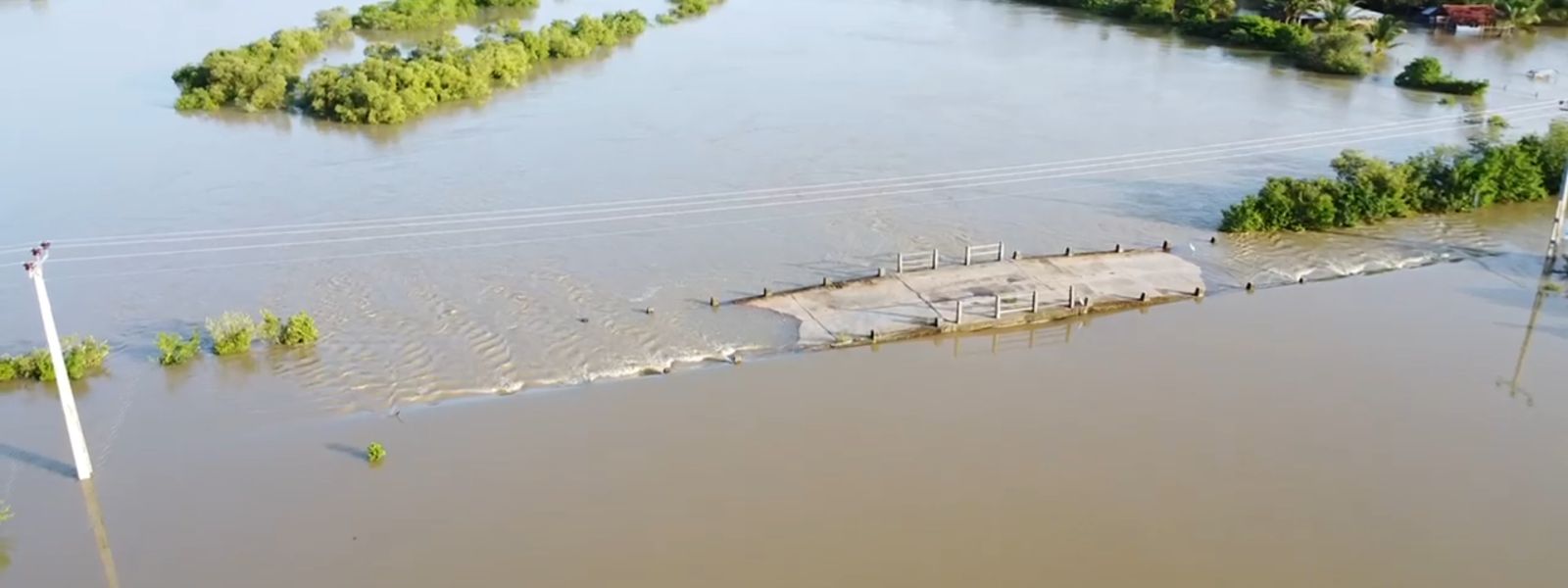
Cyclone Ditwah has left a trail of destruction across the island:
2.2 million people affected at its peak
Over 600 confirmed deaths and nearly 200 missing
91,000 homes damaged or destroyed
85,000 people still in safety centers as monsoon rains continue, triggering landslide warnings
The HPP focuses on urgent needs in education, food security, agriculture, nutrition, health, protection, shelter, water and sanitation, and early recovery, complementing national efforts to restore normalcy.
Relief priorities are guided by vulnerabilities identified through the Joint Rapid Needs Assessment with the Disaster Management Centre.
“Cyclone Ditwah has hit the poorest and most vulnerable the hardest, affecting nearly every aspect of their lives,” said Marc-André Franche, UN Resident Coordinator in Sri Lanka. “We are calling on the international community to stand with Sri Lanka at this critical moment. Only through solidarity and strengthened support can families rebuild their lives with dignity and resilience.”
Beyond immediate destruction, the cyclone has triggered cascading risks:
Floodwaters and damaged sanitation systems heighten disease outbreaks
Crop losses and market disruptions threaten food security
Crowded shelters increase protection risks, including gender-based violence
462,000 children face disruptions to essential services
Initial relief efforts have been supported by US$ 4.5 million from the UN Central Emergency Response Fund (CERF) and bilateral contributions, but significant gaps remain. The UN urges global donors to step forward to fully fund the response.
News 1st's Juwaad Abdeen contributed to this report.
Other Articles
-830260_550x300.jpg)





Featured News



News 1st, MTV Channel (Pvt) Ltd, MBC Networks (Pvt) Ltd, 45/3, Braybrooke Street, Colombo-02.
T.P : +94 114 792 700, Fax : +94 114 792 733
T.P : +94 114 792 700, Fax : +94 114 792 733




 |  | .webp) |
|---|---|---|
 |  |  |
 |  |  |
 |
