.webp)


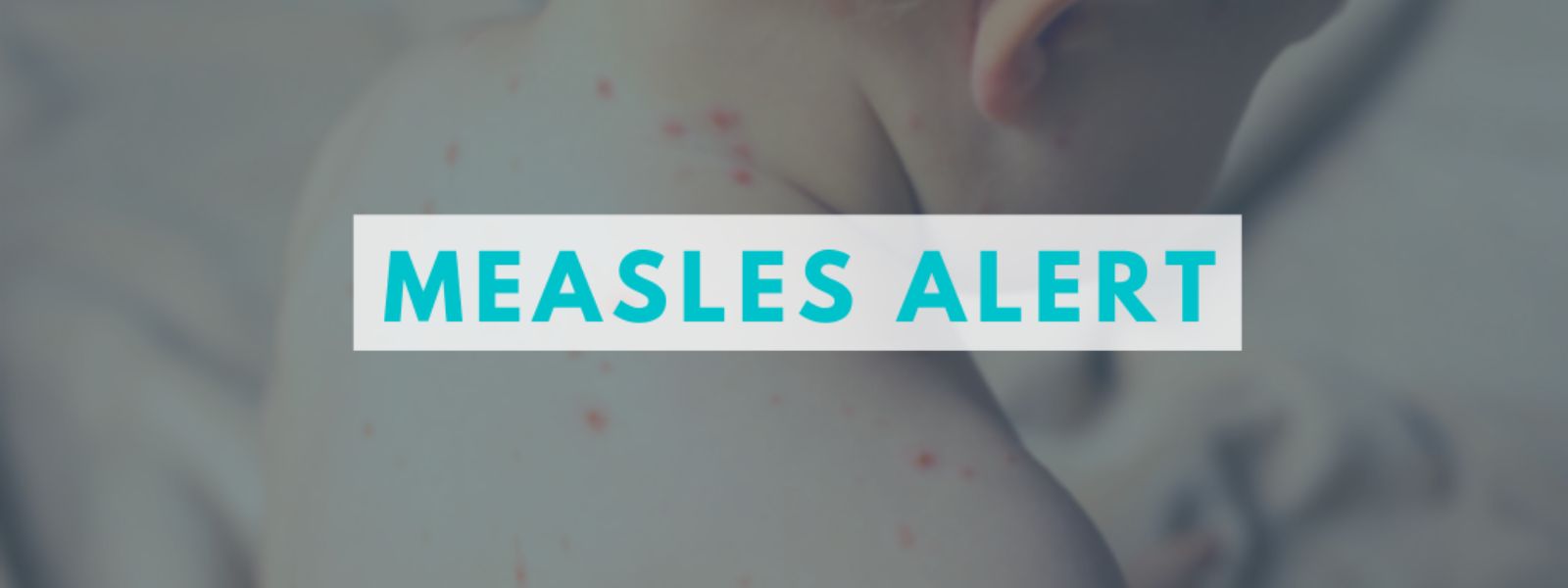
Two-Phase Vaccination Drive in Sri Lanka to Tackle Measles



.png )
COLOMBO (News 1st); In response to the rising number of measles cases in Sri Lanka, UNICEF and the World Health Organization (WHO) are stepping up their support to the Ministry of Health by launching a comprehensive supplementary immunization activity (SIA).
This targeted campaign aims to curb the spread of the disease and protect vulnerable children across the country.
With over 700 measles cases reported since May 2023, the Sri Lankan health authorities are taking decisive action to prevent further outbreaks. The SIA will be implemented in two phases, ensuring maximum coverage and effectiveness.
Phase one, commencing on January 6th, 2024, will prioritize the vaccination of children aged 6 to 9 months in nine high-risk districts with a dense population and increased incidence of measles. These districts include Colombo, Gampaha, Kalutara, Galle, Matara, Kandy, Jaffna, Kurunegala, and Kalmunai.
The second phase, scheduled to begin on January 20th, will expand the campaign to encompass other age groups throughout the country.
Speaking at a press briefing held in Colombo recently to announce the launch of the supplementary immunization activity, UNICEF Representative in Sri Lanka, Christian Skoog said, “UNICEF, as well as WHO, has been closely associated partners with the Ministry of Health for many years in the implementation of the national immunization programme, which is a success story in Sri Lanka. However, even with a high immunization coverage, measles outbreaks can occur among unvaccinated children, especially when there are outbreaks in the region. While the numbers are small with the recent measles outbreak, it is important to take it seriously and that is what the Ministry of Health is doing, in taking appropriate steps to control it.”
He also added the assistance extended by UNICEF during COVID-19 pandemic in 2020-2021 to maintain the quality of vaccines by addressing the gaps in the cold chain equipment system, will undoubtedly support in implementing this effective supplementary immunization activity.
The measles, mumps and rubella (MMR) vaccine was introduced into Sri Lanka’s immunization program in 1984. In 2001, a second dose of the vaccine was introduced to improve population level immunity and in 2019, the WHO declared Sri Lanka as a country free of Measles. However, a significant drop in global immunization coverage from 2020 to 2022 impacted many countries in the region, which has led to a rise in measles cases once again, including in Sri Lanka.
Dr. Alaka Singh, WHO Representative to Sri Lanka who also spoke at the presser said, “The cases reported so far have been mild, and no deaths have been reported. However, measles can be a major childhood disease, which can and must be prevented. Accordingly, MoH has embarked on a rapid supplementary immunization activity in two phases through the strong primary healthcare system. We, as WHO, reiterate our full support for this program and overall recovery in Sri Lanka going forward.”
Other Articles


-858355_550x300.jpg)




.png)

Featured News




News 1st, MTV Channel (Pvt) Ltd, MBC Networks (Pvt) Ltd, 45/3, Braybrooke Street, Colombo-02.
T.P : +94 114 792 700, Fax : +94 114 792 733
T.P : +94 114 792 700, Fax : +94 114 792 733




 |  | .webp) |
|---|---|---|
 |  |  |
 |  |  |
 |
