



Sri Lankans Face Higher Inflation for Longer, Central Bank Warns



.png )
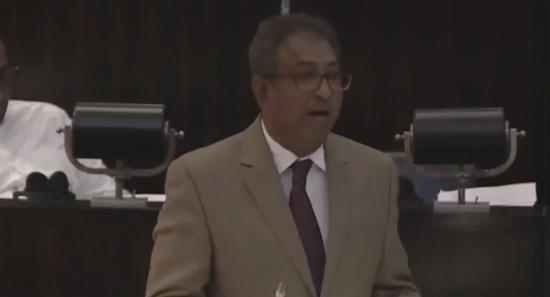
COLOMBO (News 1st); Sri Lankans are likely to face higher prices for longer than previously expected, with Central Bank Governor Dr. Nandalal Weerasinghe warning that inflation is set to climb to around 9% and remain at elevated levels in the months ahead.
The warning came as the Central Bank announced a fresh tightening of monetary policy, raising its key policy interest rate to 9%, a decision aimed at bringing inflation back towards the bank's target of 5%.
Speaking after the Monetary Policy Board meeting, Weerasinghe acknowledged that inflation has risen more sharply than expected, forcing policymakers to rethink earlier forecasts.
Just months ago, the Central Bank expected inflation to peak below 8% before gradually easing towards its 5% target during the first half of 2027. However, new projections show price pressures persisting for longer, with inflation expected to hover around 9% in the near term.
For ordinary households, the message is straightforward. Higher inflation means the value of money falls faster, reducing purchasing power and making everyday expenses more difficult to manage. Weerasinghe stressed that controlling inflation remains the Central Bank's primary responsibility because prolonged price increases affect living standards, savings and overall economic stability.
The Governor pointed to global developments, particularly the longer-than-anticipated impact of tensions in the Middle East and elevated oil prices, as key reasons behind the upward pressure on prices. While authorities had expected international energy costs to stabilize sooner, those conditions persisted far longer than forecast, feeding into domestic inflation.
Beyond the interest rate increase, the Central Bank has also moved to absorb excess cash circulating within the banking system. Officials noted that banks currently hold an estimated Rs. 450 billion in surplus liquidity. To address this, the Statutory Reserve Ratio (SRR), the portion of deposits commercial banks must keep with the Central Bank, has been raised from 2% to 3%.
According to Weerasinghe, the change will draw nearly Rs. 150 billion out of the banking system, helping curb excessive credit expansion and easing demand-side inflationary pressures.
The Governor said the decision was not taken to slow economic activity but to prevent high inflation from becoming embedded in public expectations. Once people and businesses begin assuming prices will keep rising rapidly, controlling inflation becomes far more difficult and costly.
Despite the tighter stance, the Central Bank remains optimistic that inflation can be steered back towards the desired range. Current projections indicate that price pressures should gradually ease during 2027, with inflation expected to move closer to the 5% target during the second half of the year.
For now, however, the Central Bank's message is clear: inflation is proving more stubborn than expected, and stronger action is needed to prevent rising prices from becoming a longer-term burden on households and the wider economy.
Other Articles






Featured News




News 1st, MTV Channel (Pvt) Ltd, MBC Networks (Pvt) Ltd, 45/3, Braybrooke Street, Colombo-02.
T.P : +94 114 792 700, Fax : +94 114 792 733
T.P : +94 114 792 700, Fax : +94 114 792 733




 |  |  |
|---|---|---|
 |  |  |
 |  |  |
 |
