


Sri Lanka Cuts Six Months From Govt Procurement Process



.png )
COLOMBO (News 1st); Sri Lanka has introduced a major change to its government procurement process, allowing ministries, government departments and other public institutions to complete much of their procurement work before the national budget is approved, a move expected to save up to six months in project implementation time.
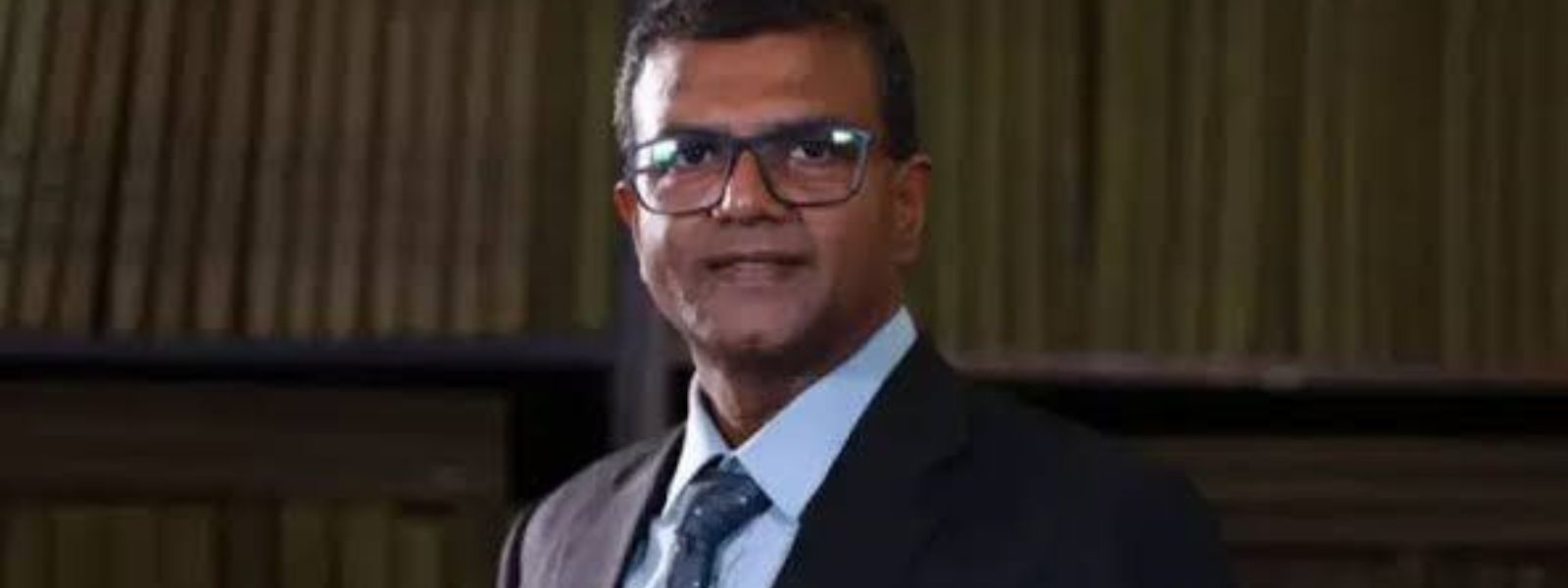
Secretary to the Treasury Dr. Harshana Suriyapperuma said the new approach would address one of the longstanding obstacles to delivering government projects on time, where lengthy procurement procedures often left public institutions with only a limited period to carry out projects within a financial year.
Under the previous system, government institutions had to wait until Parliament approved the budget before beginning procurement activities. For complex procurements and larger projects, the process alone could take between six and eight months, significantly reducing the time available for actual implementation.
Explaining the change, Dr. Suriyapperuma said the Treasury had worked with the National Procurement Commission (NPC) to introduce a revised methodology that allows procurement activities for the following year to begin during the preceding year.
Under the new arrangement, institutions preparing for projects scheduled for 2027 can advertise procurement opportunities, invite tenders, shortlist and select participants, appoint Bid Evaluation Committees (BECs) and High-Level Procurement Committees, and complete the necessary evaluation procedures up to the stage of awarding the contract.
Once Parliament approves the budget, the relevant institutions can immediately issue award letters to the selected bidders from the beginning of January.
“We have saved six months in the process,” Dr. Suriyapperuma said, explaining that the reform is intended to give public institutions more time to implement projects and maximise delivery within the same year.
The Treasury Secretary also revealed that another long-awaited reform in Sri Lanka's trade sector has finally become a reality, with the country's National Single Window for Trade officially going live in pilot mode on the fifth of this month.
He noted that Sri Lanka had been attempting to establish a single-window system for trade for nearly two decades, making its introduction a significant milestone in the country's efforts to modernise trade-related procedures.
The system is being introduced gradually, with different sectors being onboarded in stages. The tea and coconut sectors are the first two segments to have been brought into the platform.
Dr. Suriyapperuma said the initial results had been encouraging, revealing that the first two container shipments processed through the fully online digital system had successfully left Sri Lanka.
He said the successful movement of both shipments demonstrated that the system was operational and capable of supporting businesses through a streamlined digital process.
The broader objective, he explained, is to ensure that Sri Lankan businesses can continue operating, maintain production and fulfil their commitments to international markets despite challenges in the global economic environment.
He stressed that maintaining uninterrupted supplies to overseas buyers was essential to rebuilding confidence in Sri Lanka as a dependable trading partner.
The Government's strategy is focused on ensuring that businesses can consistently deliver the products and services they have contracted to supply, while strengthening Sri Lanka's reputation for reliability in international markets.
Dr. Suriyapperuma emphasised that consistency in supply is particularly important at a time when global businesses are navigating uncertainty and disruptions.
Other Articles
-862179_550x300.jpg)

-862149_850x460-862161_550x300.jpg)

-862149_550x300.jpg)


Featured News




News 1st, MTV Channel (Pvt) Ltd, MBC Networks (Pvt) Ltd, 45/3, Braybrooke Street, Colombo-02.
T.P : +94 114 792 700, Fax : +94 114 792 733
T.P : +94 114 792 700, Fax : +94 114 792 733




 |  |  |
|---|---|---|
 |  |  |
 |  |  |
 |
