



Sri Lanka Draws a Hard Line on Indian Trawlers as Fish Stocks Dwindle



.png )
COLOMBO (News 1st); A long-running maritime dispute returned to the spotlight in Parliament, with the Government reaffirming its commitment to protecting Sri Lanka's marine resources and local fishing communities while continuing diplomatic efforts with India to address illegal fishing activities in Sri Lankan waters.
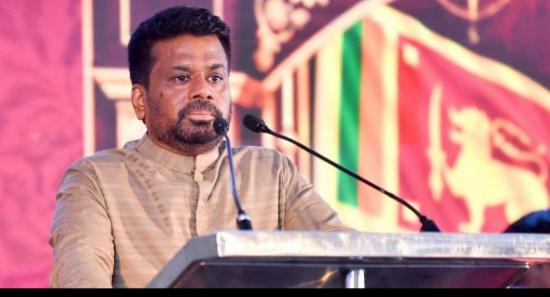
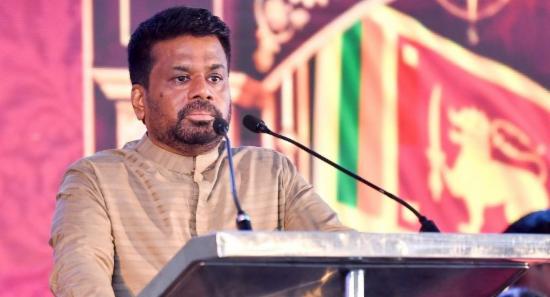
Responding to a question on Indian fishermen allegedly engaging in illegal fishing within Sri Lankan waters, Government Chief Whip Dr. Nalinda Jayatissa said the issue remains under constant discussion at the diplomatic level between the two countries.
Jayatissa stressed that the presence of Indian visitors in Sri Lanka should not be unnecessarily politicized, noting that Indian nationals arrive in the country for various reasons and have done so under successive governments. However, he acknowledged that illegal fishing by Indian trawlers remains a separate and serious matter that has been consistently raised with Indian authorities.
According to the Government Chief Whip, Sri Lanka has used every available diplomatic channel to address the issue, including discussions with Indian ministers, government officials and diplomatic representatives during bilateral engagements in both countries. He also pointed to a recent ruling by the Indian Supreme Court related to the matter and said official discussions would continue in an effort to achieve a lasting solution.
Describing the issue as one that has persisted for many years, Jayatissa said ongoing negotiations have shown encouraging signs and are focused on protecting Sri Lanka's marine wealth, safeguarding fish stocks and ensuring the livelihoods of local fishermen. He added that both the Fisheries Ministry and the Ministry of Foreign Affairs are actively involved in advancing that objective.
The debate also saw Samagi Jana Balawegaya MP Hector Appuhamy raise concerns over a previously announced mobile application that was expected to help fishermen identify fish-rich areas at sea. He said the fishing community had placed significant hopes on the initiative and was now asking what had happened to the promised technology, which was expected to reduce costs and make fishing operations more efficient. Appuhamy called on the Government to provide Parliament with an update on the project's progress.
Responding, Jayatissa revealed that authorities had intensified action against illegal fishing activities, noting that 43 Indian trawlers were taken into custody in 2025 and another 23 had been arrested so far in 2026.
He warned that the depletion of fish stocks remains one of the most serious challenges facing Sri Lanka's fisheries sector, citing reports that indicate marine resources have been declining steadily over many years. According to him, the growing competition for increasingly scarce resources is one of the key reasons tensions continue to arise in the fishing industry.
Jayatissa said the Government is simultaneously working to strengthen the fisheries sector while extending maximum possible relief to fishermen. He noted that assistance had been considered for the fishing community even during recent fuel price increases and pledged continued support for fishermen and the industry as a whole.
In a characteristically sharp response to criticism from the opposition benches, the Government Chief Whip insisted that anti-corruption efforts and support for the fishing sector would continue side by side. Ending on a lighter note, he told Parliament that fishermen should focus on catching fish while law enforcement authorities focus on catching criminals.
Other Articles

-860010_550x300.jpg)

-859998_550x300.jpg)

Featured News




News 1st, MTV Channel (Pvt) Ltd, MBC Networks (Pvt) Ltd, 45/3, Braybrooke Street, Colombo-02.
T.P : +94 114 792 700, Fax : +94 114 792 733
T.P : +94 114 792 700, Fax : +94 114 792 733




 |  |  |
|---|---|---|
 |  |  |
 |  |  |
 |
