.webp)


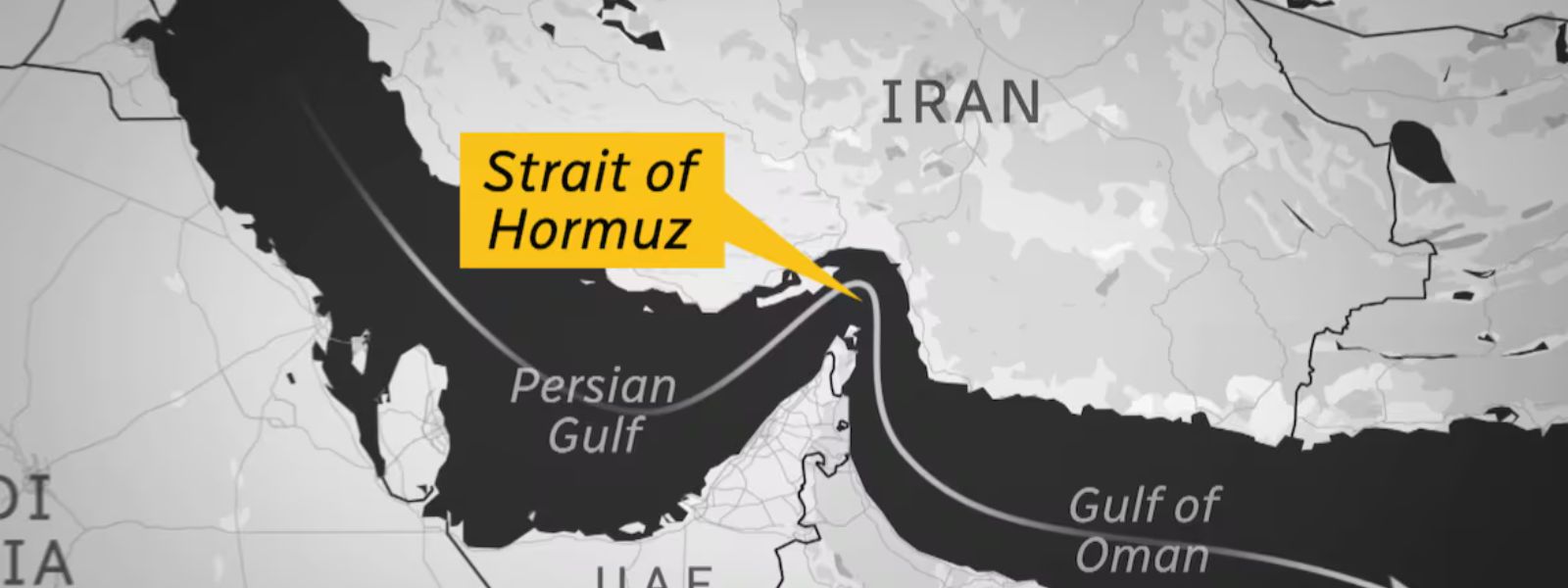
About 90 Ships Cross Strait of Hormuz as Iran Exports Millions of Barrels of Oil Despite War



.png )
(AP) — About 90 ships including oil tankers have crossed the Strait of Hormuz since the outset of the war with Iran and it is still exporting millions of barrels of oil at a time when the waterway has been effectively closed, according to maritime and trade data platforms.
Many of the vessels that passed through the strait were so-called “dark” transits evading Western government sanctions and oversight that likely have ties to Iran, maritime data firm Lloyd’s List Intelligence said. More recently, vessels with ties to India and Pakistan have also successfully crossed the strait as governments stepped up negotiations.
As crude prices spiked above $100 a barrel, U.S. President Donald Trump pressured allies and trade partners to send warships and reopen the strait, hoping to bring oil prices lower.
Most shipping traffic through the Strait of Hormuz, a waterway for global oil and gas transport that supplies roughly one-fifth of the world’s crude oil, has been halted since early March, after the war started. About 20 vessels have been attacked in the area.
However, Iran has still managed to export well above 16 million barrels of oil since the beginning of March, trade data and analytics platform Kpler estimated. Due to Western sanctions and associated risks, China has been the biggest buyer of Iranian oil.
There has been ”continued resilience” in Iran’s oil export volumes, said Kpler trade risk analyst Ana Subasic.
Iran has managed to profit from oil sales and also “preserve its own export artery” by using control over the chokepoint, said Kun Cao, client director at consulting firm Reddal.
Iran’s oil export data estimates are largely aligned with maritime traffic data.
At least 89 ships crossed the Strait of Hormuz between March 1 and 15 – including 16 oil tankers, according to Lloyd’s List Intelligence, down from roughly 100 to 135 vessel passages per day before the war. More than one-fifth of the 89 vessels were believed to be Iran-affiliated, while Chinese and Greece affiliated ships are among the rest, it said.
Other vessels also have been getting through.
The Pakistan-flagged crude oil tanker Karachi, controlled by the Pakistan National Shipping Corp., passed through the strait on Sunday, Lloyd’s List Intelligence said.
Shariq Amin, a spokesman at the Pakistan Port Trust, refused to confirm or deny which route the MT Karachi had used but he said the ship would soon safely reach Pakistan.
The India-flagged liquefied petroleum gas (LPG) carriers Shivalik and Nanda Devi, both owned by state-owned Shipping Corp. of India, also traveled through the strait around March 13 or 14, according to Lloyd’s List Intelligence. LPG is used as a primary cooking fuel by millions of Indian households.
Some vessels near or in the strait were found to have declared themselves as China-linked or with all Chinese crew to reduce risks of being attacked, based on an earlier analysis on ship tracking platform MarineTraffic. Analysts believe they were taking advantage of China’s closer ties with Iran.
Oil prices have jumped more than 40% to above $100 per barrel since the Iran war began, and Iran has threatened it won’t allow “even a single liter of oil” destined for the U.S., and Israel and their allies to pass through.
To try to stabilize oil prices, the U.S. said it was allowing Iranian oil tankers to cross the strait. “The Iranian ships have been getting out already, and we’ve let that happen to supply the rest of the world,” Treasury Secretary Scott Bessent said in an interview with CNBC on Monday.
Other Articles






Featured News




News 1st, MTV Channel (Pvt) Ltd, MBC Networks (Pvt) Ltd, 45/3, Braybrooke Street, Colombo-02.
T.P : +94 114 792 700, Fax : +94 114 792 733
T.P : +94 114 792 700, Fax : +94 114 792 733




 |  | .webp) |
|---|---|---|
 |  |  |
 |  |  |
 |
